The Slow Living Room: How to Layer Texture Without the Clutter
Calm rooms are rarely empty rooms. The secret is texture: linen, wool, wood and clay, layered with intention so the eye rests instead of races.
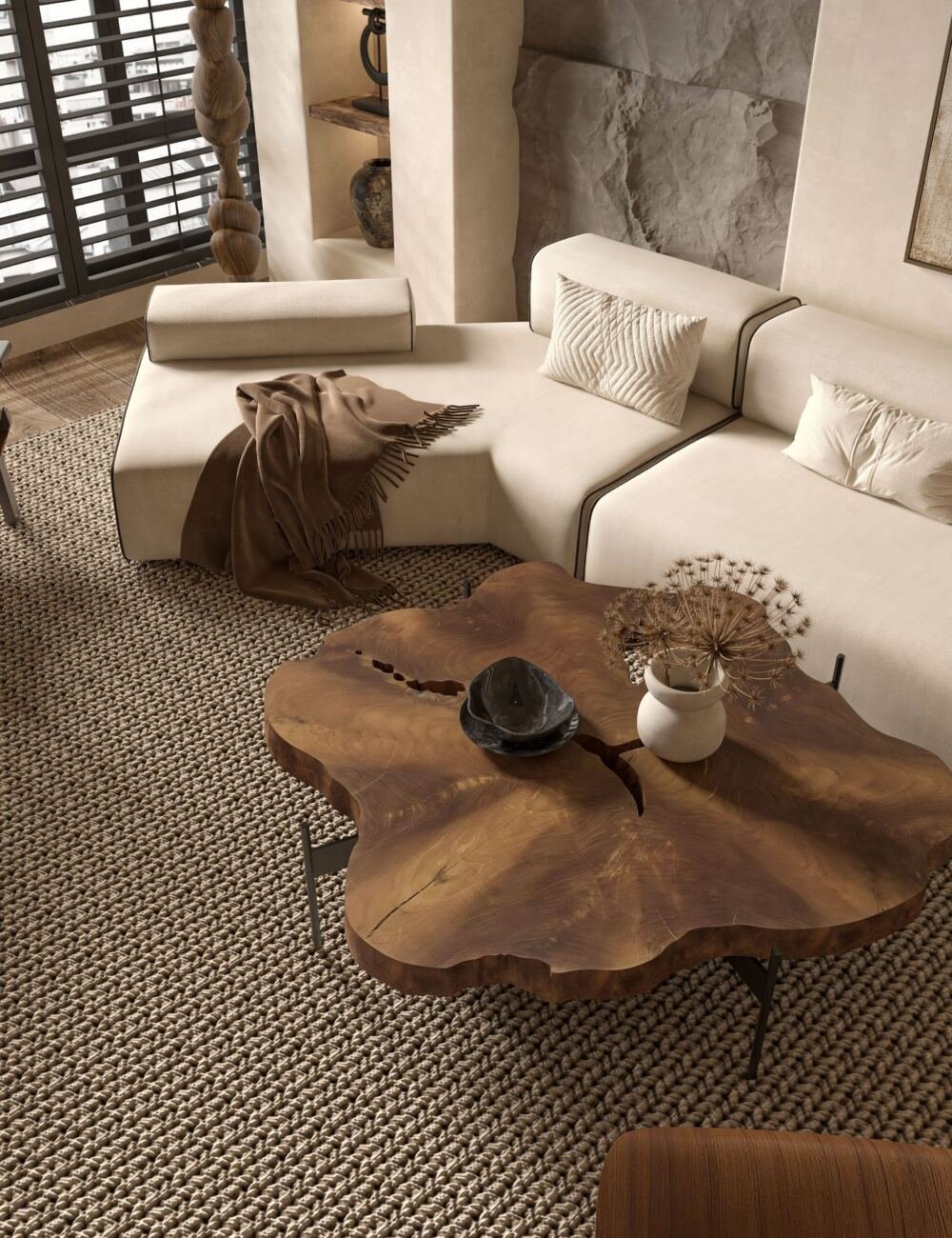
Walk into a room that instantly slows your breathing and look closely. It is almost never bare. It is layered: a wool rug over old floorboards, a linen throw slumped over a sofa arm, a clay vase with a single branch. The calm comes from texture, not from a lack of things.
Texture is the quiet workhorse of interior design. When a palette is restrained, texture does the job colour usually does. It catches the light, adds depth and makes a space feel finished. Here is how to layer it without tipping into clutter.
Start with three base materials
Choose three materials that will repeat around the room. Wood, linen and stone is a classic trio; rattan, wool and clay is warmer and more relaxed. Repetition is what makes a room feel designed rather than collected by accident. If your coffee table is oak, let a picture frame or a shelf pick up that same tone across the room.
Go big on soft things
Textiles are the fastest way to change how a living room feels. Swap shiny cushion covers for something with a real hand-feel: slubby linen, bouclé or chunky corduroy. Ribbed covers like these corduroy throw pillow covers add shadow lines that read beautifully in afternoon light.
Then fill them properly. Limp cushions are the number one reason sofas look tired. Plump down-alternative inserts one size up from your cover give that full, karate-chopped look you see in magazines.
A calm room is a layered room. The eye needs somewhere soft to land.
Drape, don’t fold
A throw folded into a neat square on the sofa looks like a hotel. A throw dropped casually over one arm looks like someone lives there. Choose something heavy enough to hang well; a plush fleece throw in a warm neutral like camel, oat or rust will drape in soft folds and invite people to actually use it.
Edit in odd numbers
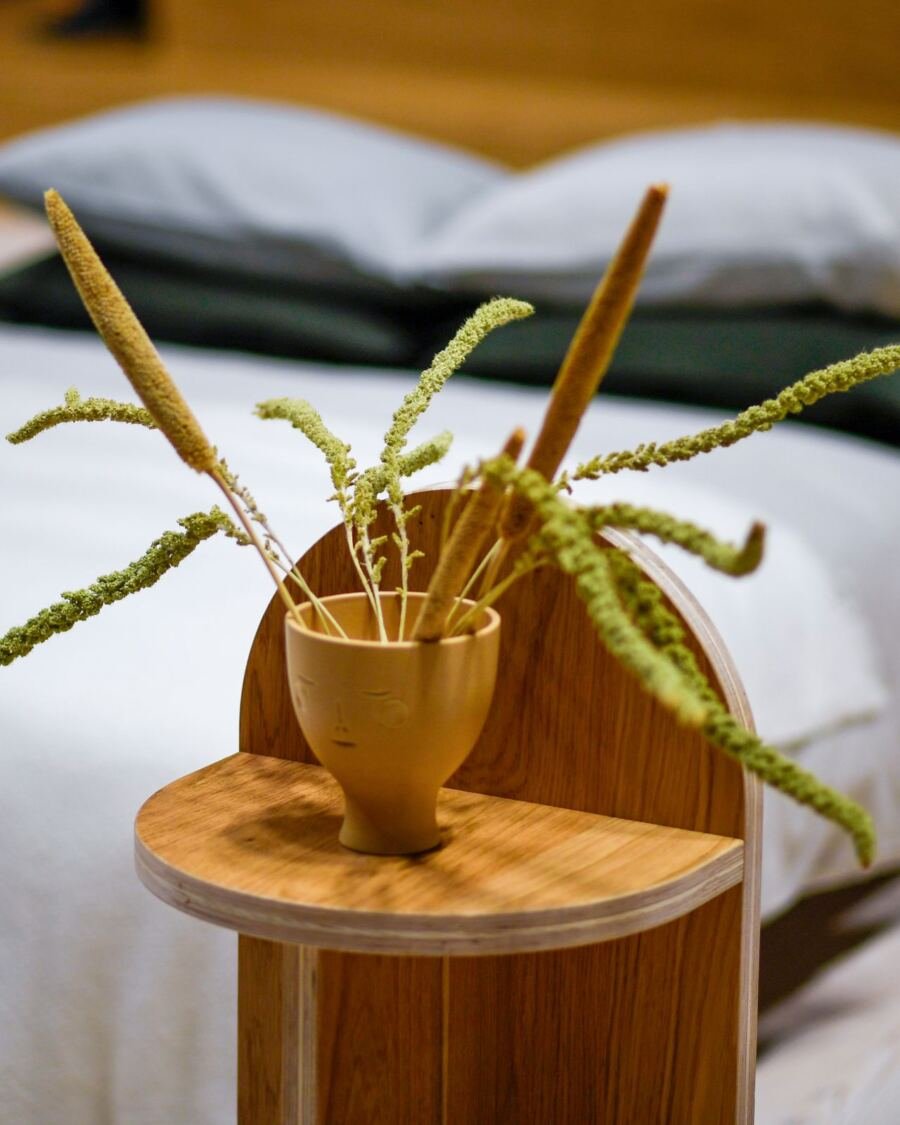
On surfaces, group objects in threes or fives and vary their height. A tall vase, a stack of two books and a small bowl is a complete vignette. Leave breathing room around each group. Negative space is what stops texture from turning into noise.
Let the light do the rest
Texture only sings when light rakes across it. Pull furniture slightly away from windows, use sheer curtains to soften harsh sun and add a couple of low lamps for evening. Suddenly the weave of the rug, the grain of the wood and the folds of the linen all come alive, and the room feels like a deep breath.